
By Michaele Gantz, Finger Lakes Mediation and Divorce Coaching | fingerlakesmediation.com
Who benefits most from online divorce mediation, and why meeting from home can make an already complicated process easier to manage
Divorce already asks a lot of your time and attention. Between work, parenting, household responsibilities, appointments, and the emotional weight of ending a marriage, adding repeated trips to a mediator’s office may feel like one more challenge you do not need.
Fortunately, divorce mediation does not always have to happen in person.
Virtual divorce mediation allows couples to meet with a mediator online while still having structured, productive conversations about finances, property, parenting, and other important decisions. For many people, the virtual format makes mediation easier to fit into everyday life without changing the purpose of the process.
At Finger Lakes Mediation and Divorce Coaching, Michaele Gantz works with clients who want a thoughtful, practical approach to divorce. Virtual mediation can be especially helpful for busy professionals, parents with demanding schedules, military families, couples who live apart, and people who simply feel more comfortable meeting from home.
However, convenience is only part of the equation. The real question is whether virtual mediation fits the way you and your spouse need to communicate and make decisions.
What Is Virtual Divorce Mediation?
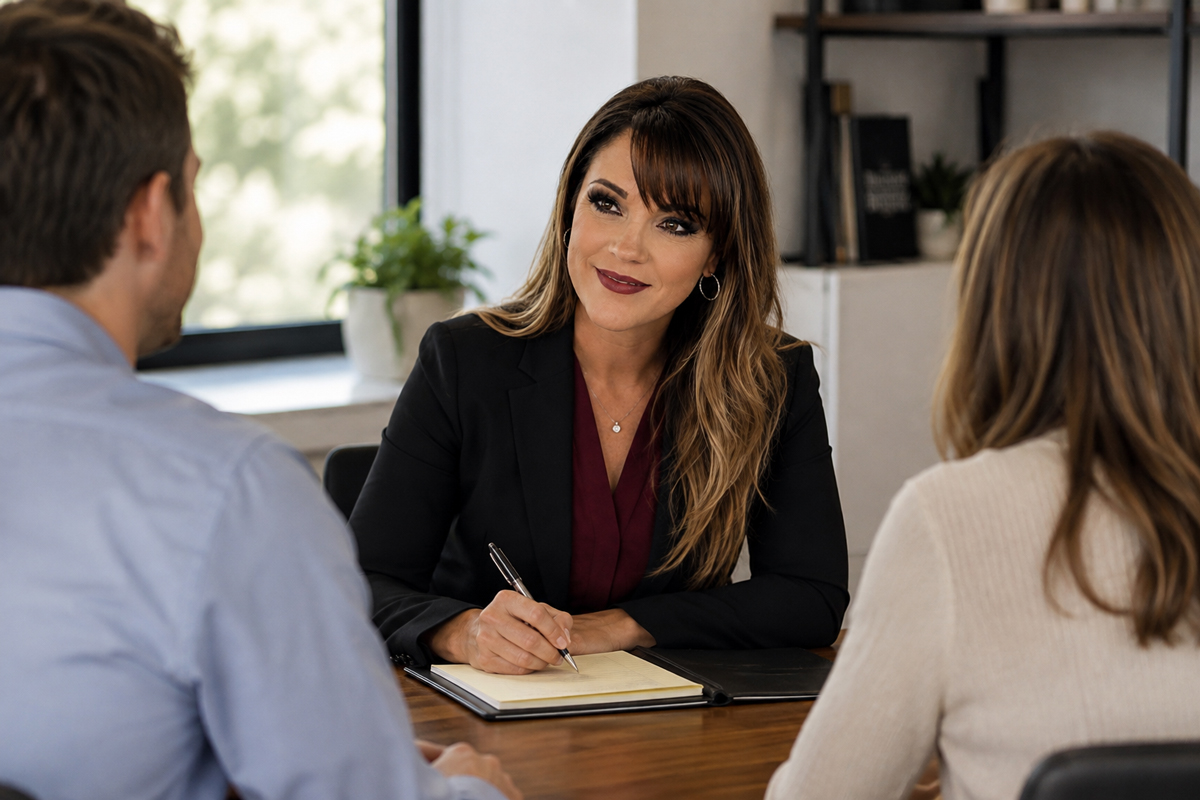
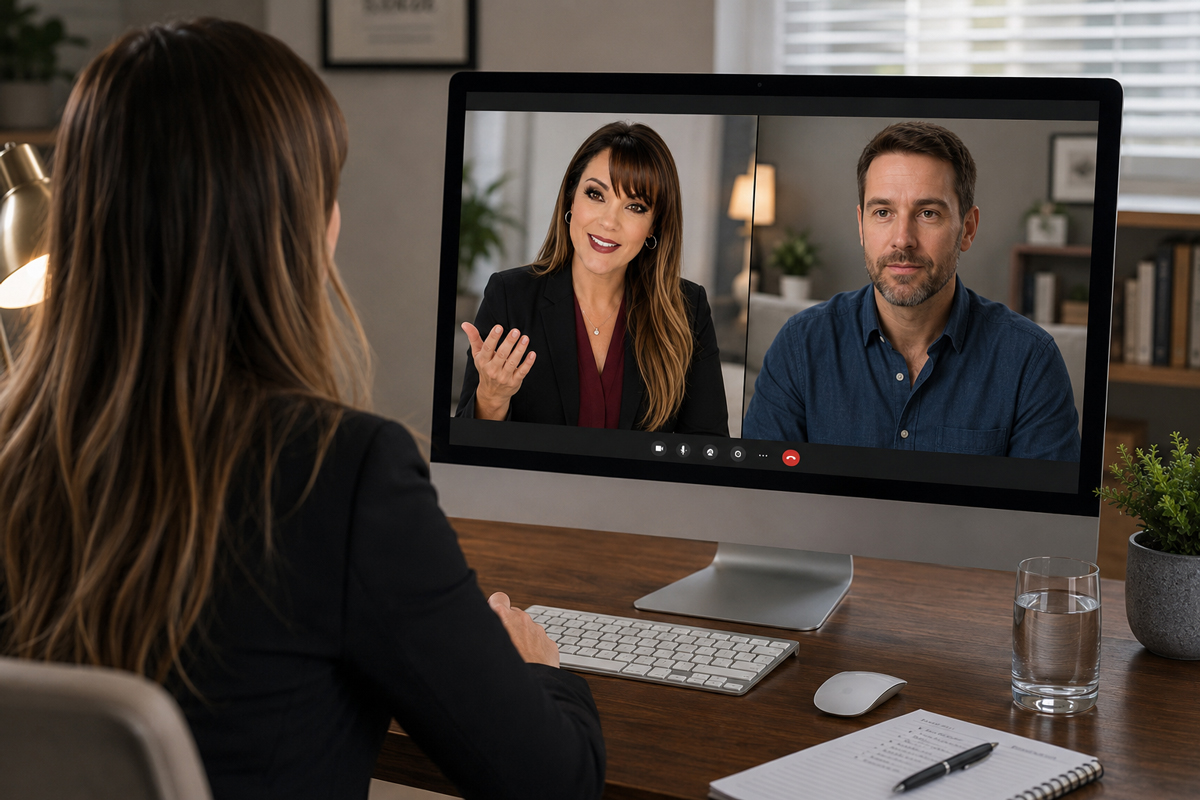
Virtual divorce mediation follows many of the same principles as in-person mediation. Instead of sitting together in an office, participants meet with the mediator through a secure video platform.
During those sessions, couples can discuss the same issues they would address face to face, including property, finances, debt, parenting schedules, support, and future communication.
Most importantly, the mediator still guides the conversation.
Michaele helps each person identify concerns, organize priorities, work through disagreements, and explore possible solutions. Meanwhile, both spouses remain directly involved in shaping the decisions that will affect their futures.
Virtual mediation is not an unusual concept in New York. The New York State Unified Court System identifies divorce mediation programs that conduct sessions online, and many mediation programs throughout the state use virtual formats.
For the right couple, that flexibility can remove logistical barriers without taking away the collaborative nature of mediation.
Busy Professionals Often Benefit From Online Mediation
For professionals with demanding jobs, scheduling can become one of the most frustrating parts of divorce.
A traditional appointment may require travel time, time away from the office, childcare arrangements, and additional disruption before the session even begins.
Virtual mediation can simplify that process considerably.
Instead of losing a large portion of the workday to an appointment, participants may be able to join from a private home office or another confidential location. As a result, mediation becomes easier to schedule around meetings, deadlines, travel, and other professional responsibilities.
That flexibility does not mean rushing through important decisions. In fact, removing unnecessary scheduling pressure can give people more mental space to focus on the actual conversation.
“Divorce already creates enough disruption. When we can make the process more accessible without sacrificing thoughtful conversation, that can make a meaningful difference.”
— Michaele Gantz
Parents With Demanding Schedules May Find Virtual Mediation Easier
Parents rarely have empty calendars.
School drop-offs, practices, appointments, homework, activities, work responsibilities, and childcare can turn even a simple meeting into a complicated scheduling problem.
During divorce, those demands usually do not disappear. In some cases, they become even more complicated as parents begin managing two households.
Virtual divorce mediation can reduce some of that pressure.
A parent may be able to attend a session after school drop-off, during a protected block in the workday, or from home without arranging additional travel.
Furthermore, parents can use mediation to work through many of the scheduling issues that are making life feel complicated in the first place.
They may discuss school routines, transportation, extracurricular activities, vacations, holidays, communication, and parenting time.
Therefore, the virtual format can provide both immediate convenience and an opportunity to build a more manageable parenting structure for the future.
Couples Living in Different Cities Can Still Mediate Together
Separation often changes where people live.
One spouse may move closer to family. Another may relocate for work. Sometimes spouses have already been living separately for months before they decide to begin the formal divorce process.
As a result, sitting in the same mediation office may simply be impractical.
Virtual mediation removes much of that geographic obstacle.
Two spouses can participate in the same mediation session while sitting in entirely different locations. Consequently, neither person needs to travel simply to have a productive conversation about the divorce.
This can be particularly helpful when one spouse has moved elsewhere in New York while the other remains in the Finger Lakes or Rochester area.
Additionally, couples should remember that geography and divorce jurisdiction are separate legal questions. Meeting online does not automatically determine where a divorce can or should be filed. The New York State Unified Court System’s divorce resources can help explain New York divorce procedures and requirements.
When spouses live in different states, they may also want independent legal advice about residency, jurisdiction, and state-specific requirements.
Military Families Often Face Unique Scheduling and Distance Challenges
Military life can make ordinary scheduling difficult. Deployment, temporary assignments, relocations, training, and different duty stations may place spouses hundreds or even thousands of miles apart.
Therefore, requiring both spouses to appear in one physical location can create significant barriers.
Virtual mediation may give military families another option.
For example, a service member stationed away from home may be able to participate remotely rather than waiting for both spouses to be in the same place. Likewise, families facing an upcoming relocation may be able to continue mediation without completely disrupting the process.
Military divorces can also involve additional legal and financial considerations. Military OneSource explains mediation as one potential method for resolving legal disputes with the help of a neutral mediator. In addition, Military OneSource provides divorce and legal-assistance resources specifically for service members and military families.
Because military benefits, retirement, custody, and jurisdiction can involve specialized rules, military spouses may also need appropriate legal guidance in addition to mediation.
Still, when mediation is suitable, the virtual format can make participation much more realistic.
Living in Different States Requires a Little More Planning
Sometimes separated spouses no longer live anywhere near one another.
Perhaps one person relocated to another state after the separation. Maybe a job transfer created the distance. Alternatively, the couple may have lived apart for some time before deciding to divorce.
Virtual mediation can make the conversation itself much easier because both spouses can participate from wherever they are.
However, interstate divorces may involve additional questions.
Which state has jurisdiction? Where should the divorce be filed? Which state’s laws apply to particular issues? How do existing custody arrangements affect the case?
Those questions may require legal advice outside the mediator’s role.
Therefore, virtual mediation can solve the distance problem, but couples should still make sure they understand the legal requirements that apply to their particular circumstances.

Some Couples Simply Feel More Comfortable at Home
Not every reason for choosing virtual mediation is complicated.
Some people simply prefer it.
Divorce conversations can feel emotionally intense. Sitting in an unfamiliar office across from a spouse may make someone feel more anxious or guarded.
By contrast, participating from a familiar environment may help a person feel calmer and better prepared to communicate.
You can have your documents nearby. You can sit in a room where you feel comfortable. Additionally, you avoid the stress of traffic, parking, and arriving at an office already feeling rushed.
Those details may seem small, but they can influence how someone enters the conversation.
“People often communicate more clearly when they feel settled. For some clients, participating from their own space helps them arrive at the conversation more focused and prepared.”
— Michaele Gantz
Virtual Mediation Can Work Well for Couples Who Communicate Respectfully
Convenience alone does not determine whether virtual mediation will work.
Both spouses still need to participate.
They do not have to agree about everything. In fact, disagreement is usually exactly why couples seek mediation.
However, each person should be willing to listen, provide necessary information, consider options, and engage in the process in good faith.
The online format should support the conversation rather than become another source of difficulty.
For couples who can communicate respectfully, even when they disagree, virtual mediation may provide an efficient and comfortable way to work through their decisions.
Technology Does Not Have to Be Complicated
Some people hesitate to consider online mediation because they worry about the technology.
Fortunately, you do not need a sophisticated home office.
Generally, participants need a reliable internet connection, a device with a camera and microphone, and a private location where they can speak openly.
A laptop or desktop computer often works particularly well because it provides enough screen space to participate comfortably and review documents when necessary.
Before a session, it can also help to test your camera, microphone, internet connection, and meeting link.
In addition, choosing a quiet room and limiting interruptions can make the experience feel much more professional and focused.
Privacy Still Matters During Online Divorce Mediation
Participating from home offers convenience, but couples still need to protect the privacy of their conversations.
A shared kitchen table may not be the best choice if children, relatives, roommates, or other people can hear the discussion.
Instead, each person should participate from a private space whenever possible.
Headphones can also help improve privacy, particularly when someone cannot completely isolate themselves from other areas of the home.
Likewise, participants should avoid multitasking during mediation. Checking email, answering work messages, or managing household tasks can make it harder to stay engaged in important conversations.
Virtual mediation works best when everyone treats the session with the same attention they would give an in-person meeting.
When Virtual Divorce Mediation May Not Be the Best Fit
Online mediation offers significant flexibility, but it is not automatically the right choice for every situation.
For example, a person may have difficulty participating if they do not have reliable internet access or a genuinely private location.
In other situations, one spouse may feel intimidated or unable to express concerns freely.
Certain cases involving coercion, safety concerns, domestic violence, or significant power imbalances may also require careful screening before mediation proceeds.
The New York State Unified Court System explains that mediation is a voluntary process involving a neutral mediator who helps participants communicate and explore possible resolutions.
Because every family has different circumstances, Michaele can help determine whether virtual mediation appears appropriate before the process begins.
Online Divorce Mediation Can Offer More Than Convenience
The most obvious advantage of virtual mediation is convenience.
However, its value can go beyond eliminating the drive to an office.
Virtual mediation may give spouses more scheduling options, reduce travel, make participation easier when distance separates them, and help some people feel more comfortable during difficult discussions.
Moreover, those practical advantages can help people stay focused on the issues that actually matter.
Rather than worrying about how to get to the appointment or rearrange an entire day, couples can devote more attention to parenting, finances, property, communication, and the decisions that will shape their lives after divorce.
That is ultimately what mediation is designed to accomplish.
Is Virtual Divorce Mediation Right for You?
A good candidate for virtual mediation is not defined by a particular profession, family structure, or location.
Instead, virtual mediation tends to work best when both people can participate privately, communicate directly, use basic video technology, and engage constructively in the decision-making process.
For a busy professional, it may mean less disruption to the workday.
For parents, it may make scheduling considerably easier.
For military families or spouses living far apart, it may make mediation possible when meeting in one office would be unrealistic.
Meanwhile, other couples may simply prefer the comfort and flexibility of participating from home.
At Finger Lakes Mediation and Divorce Coaching, Michaele Gantz offers divorce mediation and coaching designed to help clients approach major decisions with greater clarity and confidence. Virtual options can also make those services more accessible to clients throughout the Finger Lakes, Rochester area, and New York State.
If you are considering divorce and wondering whether online mediation could work for your situation, the first step is simply determining whether the format fits your needs.
Sometimes the best place to have an important conversation is not across a conference table.
It may be right from home.
To learn more about divorce mediation, divorce coaching, or virtual mediation options, visit Finger Lakes Mediation and Divorce Coaching or send a message to Michale Gantz and explore whether mediation is the right approach for your situation.